
Best Family SUVs for Car Seats and Cargo
A family SUV can look roomy on a dealer lot, then feel crowded once you add rear-facing car seats, a stroller, groceries, and a tired child who needs help climbing in. When you are shopping for the best family SUVs, the right model should fit the way your family actually travels, not just look spacious in an empty cabin.
Seat layout and usable cargo space matter more than a tall roofline or extra horsepower. Bring your real gear, try several seating positions, and treat the test drive like a normal weekday errand before choosing an SUV as your family car.
Key Takeaways
Choose an SUV based on your actual passengers, car seats, stroller, and everyday cargo rather than its empty-cabin size.
Install every car seat in the positions you may use, and check front-seat comfort, LATCH access, seat belt paths, and third-row entry.
Test usable cargo space with your regular gear, since the shape of the load floor and liftgate opening can matter more than published capacity.
Compare compact, midsize, and large SUVs according to parking needs, passenger capacity, fuel economy, all-wheel-drive requirements, and price range.
Confirm the exact trim's safety features, seating layout, combined MPG, warranty coverage, and towing capacity before making a decision.
Best family SUVs for car seats and cargo
Midsize SUVs often suit families who need extra passenger room without a full-size footprint. A three-row SUV can help with carpools, older children, or larger families. The Honda Pilot, Toyota Grand Highlander, Kia Telluride, Hyundai Palisade, and Ford Explorer are midsize SUVs with available third-row seating, though equipment and capacity vary by trim. Third-row seating can reduce cargo space behind the last row, so a full-size stroller may require folding part of the rear seat.
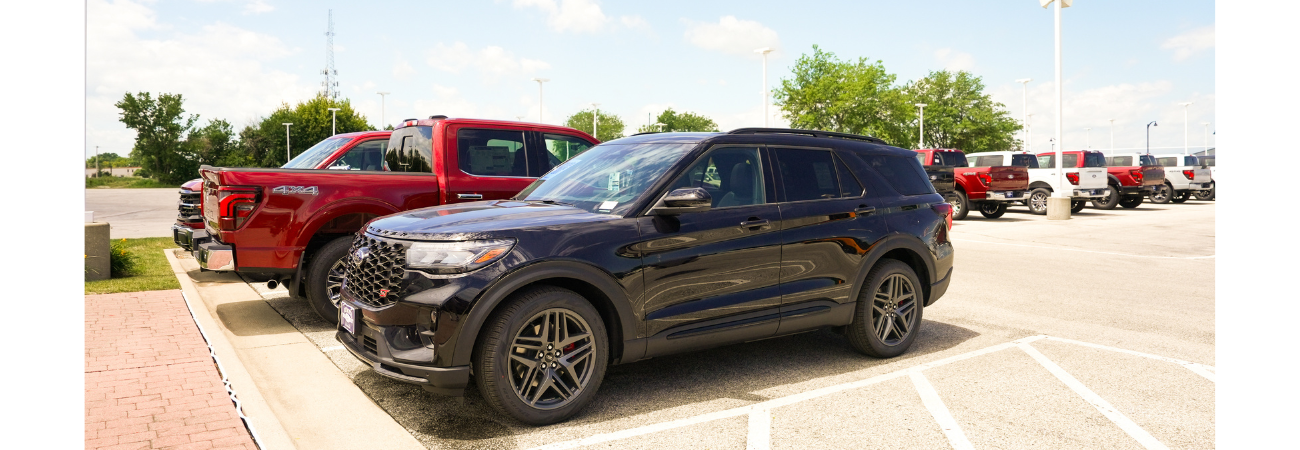
The Explorer is a practical option for parents who need three rows but still park in busy school lots. Choose all-wheel drive for snow, rain, or gravel when those conditions fit your regular driving. Check trim-level standard equipment before assuming a feature is included. A Ford SUV size and space comparison can help you weigh its layout against smaller two-row choices.
For one or two children, compact SUVs such as the Honda CR-V and Toyota RAV4 may feel easier to park and cost less to fuel. Compared with a three-row SUV, they often offer more usable cargo space behind occupied rows. Unlike midsize SUVs, they won't suit frequent carpooling or families that need every seat filled.
Large SUVs may provide more room, but they can be harder to maneuver and park. Luxury SUVs may offer quieter cabins or premium features, but those benefits don't automatically solve child-seat or loading constraints. Families should also consider reliable performance, their price range, and whether a small trailer requires checking towing capacity separately.
Fuel economy should be weighed alongside seating and loading needs. Compare each model's EPA-listed combined MPG, and consider a hybrid powertrain when frequent errands make efficiency important. A plug-in hybrid can reduce fuel use differently, but it requires convenient charging access. All-wheel drive can also increase the purchase cost or fuel use.
Choose the right SUV size for your family's fit
Midsize SUVs can work well, but rear-facing infant and convertible seats take up substantial front-to-back room. Before choosing a two-row model, install the child seat behind the driver and adjust the front seat normally. A comfortable short-trip fit isn't enough if your knees touch the dashboard on daily drives. Check passenger space with the infant seat installed.
An SUV with captain chairs can make third-row access easier, especially for older children. A bench in the second row may be better if you need three child seats across. Booster seats also need accessible seat belt buckles, not only a wide cushion.
Check the vehicle's LATCH anchor locations and the child-seat manual. Not every seating position works with every infant seat, even in the best-equipped models. Off-road capability is usually less important than easy access, seating, and loading for school-run families, unless they regularly drive rough terrain.
Look beyond the cargo number on the window sticker
Published cargo space doesn't show the shape of the load floor or the height of the opening. Open the liftgate and check whether you can lift a stroller over the bumper without strain. Also look for underfloor storage, a low cargo floor, and enough clearance to open the liftgate in your garage.
Load the space behind the third row with the items you use most. A diaper bag, cooler, sports bag, and grocery bags often reveal more than a cubic-foot rating. Flat-folding rear seats and an adjustable cargo floor can matter more than a small difference in published capacity. A third row may fit people comfortably while leaving too little room for the gear that comes with them.
What to check during a family SUV test drive
A useful evaluation includes more than a loop around the block. Midsize SUVs should be driven on normal streets, through tight parking lot turns, and at highway speeds when possible. Load the cabin on level ground, then check the cargo space with passengers seated.
In compact SUVs, check parking visibility and maneuverability carefully. Compare those views with the wider body of a three-row model.
Ask which safety features are standard on the exact trim and which are optional. Also ask about warranty coverage, maintenance needs, fuel economy, and the final out-the-door price. Compare the published combined MPG with your expected driving mix, but don't treat it as a real-world guarantee. The price range can change substantially with the trim, drivetrain, and installed options.
Trim levels can change seating materials, cameras, parking aids, and second-row features. Driver assistance may include adaptive cruise control, but these systems should support attentive driving rather than replace it.
Install every car seat in the positions you may use
Bring the car seats your family uses, including infant, convertible, harnessed, or booster seats. Install each one before deciding whether the SUV fits. Check for a secure installation, clear seat belt paths, reachable LATCH anchors, and enough passenger space for front occupants.
Try more than one arrangement. Put a rear-facing seat behind the driver, place two seats side by side across the second row, and test whether a child can reach the third row safely in a three-row SUV. Close each door after installation, since some large seats can press against trim or reduce access.
Follow both the vehicle and car seat instructions. If something feels uncertain, a certified child passenger safety technician can check the installation.
Drive it like a parent, not just like a shopper
Check sightlines over the hood, through the rear window, and around the rear pillars. Use the mirrors, rearview camera, parking sensors, and driver-assistance alerts as you would during school pickup. Some systems are helpful, but they don't replace a clear view and good mirror placement.
Pay attention to cabin noise on rough pavement and how the suspension handles potholes. If conditions allow, evaluate all-wheel drive on wet or uneven roads, while remembering that it doesn't replace safe handling. Test second- and third-row climate vents, USB ports, cup holders, and door pockets. Important controls should be easy to reach without taking your attention off the road.
What to bring to an SUV test drive with kids
A dealer's demonstration stroller or empty cargo area won't show how the vehicle handles your routine. Bring the same gear to every candidate SUV, including awkward items that don't pack neatly.
Load that kit behind the third row of a three-row SUV, then repeat the stroller and seat test in compact SUVs if you’re considering a smaller vehicle. Compare midsize SUVs with one another, and include large SUVs if garage clearance or lifting height matters.
Photos and quick measurements make comparisons easier after visiting more than one dealership. A loaded test also reveals practical cargo space better than a brochure number.
The essential car seat and cargo test kit
Pack what your family uses on a normal outing:
Bring every car seat that may ride in the SUV, including boosters and infant seats.
Load your usual stroller or wagon, especially if it has a bulky frame.
Add a diaper bag, backpack, lunch box, and reusable grocery bags.
Include sports equipment, a cooler, or mobility equipment used during the week.
Carry a tape measure or phone measuring app for seat width and cargo openings.
Use your phone to photograph each seating layout and record quick notes.
Bring usual jackets or blankets if they affect how a child fits in a seat.
Use the same kit in each SUV, then note how the cargo openings and seat-folding mechanisms differ among midsize SUVs. Check whether the second row folds flat and whether gear blocks passenger access.
Questions and checks to finish before leaving
Ask whether the SUV includes a spare tire or only a tire repair kit. Confirm how much space remains when every passenger seat is occupied, and check whether folded seats leave a raised surface.
Verify the exact trim's standard equipment, safety features, and safety ratings. Ask whether it has all-wheel drive, a hybrid powertrain, or a plug-in hybrid. Confirm charging needs, battery placement, available cargo room, and how each choice affects operating costs.
Review fuel economy for the exact trim and drivetrain, and record the published combined MPG beside your loaded-drive observations. Ask about towing capacity if your family carries or tows recreational equipment.
If a Ford Explorer is on your list, review the available Explorer models and features before comparing equipment.
Take a second test drive after loading the seats and cargo. Then compare your notes with at least one other SUV before making a decision.
Frequently Asked Questions
What size SUV is best for a family with car seats?
A compact SUV may work well for one or two children when parking ease and fuel economy are priorities. Families that need frequent carpooling, more passenger space, or a third row may prefer a midsize SUV.
How can I tell if an SUV will fit my car seats?
Bring your actual infant, convertible, harnessed, or booster seats to the test drive and install them in the positions you may use. Check front-seat comfort, LATCH anchors, seat belt paths, door clearance, and access to the third row.
Do three-row SUVs have enough cargo space for a stroller?
They may, but cargo space behind the third row can be limited when every seat is occupied. Load your stroller, diaper bag, cooler, and other regular gear behind the third row to check the SUV's usable capacity.
Is a hybrid SUV a good choice for family driving?
A hybrid can reduce fuel use when frequent errands and stop-and-go driving are part of your routine. Compare the exact trim's combined MPG, purchase price, available cargo room, and charging requirements if considering a plug-in hybrid.
Should a family SUV have all-wheel drive?
All-wheel drive can be useful for families who regularly drive in snow, rain, or on gravel. It may increase the purchase cost or fuel use, so choose it based on your normal conditions rather than treating it as a substitute for safe driving.
Choose the SUV That Fits Your Actual Life
The best family SUV safely fits your real passengers, child restraints, and everyday gear while staying comfortable on the road. Cargo ratings and sales descriptions offer useful starting points, but they can't replace a hands-on check of usable cargo space.
Bring your children, restraints, stroller, and regular gear. Confirm passenger space stays comfortable, then weigh fuel economy and reliable performance alongside all-wheel drive for your actual weather and road needs.
After confirming the exact trim and drivetrain, compare the published combined MPG. Even midsize SUVs need this practical check before becoming the right family vehicle.