
15 Essential Tips for Brake Maintenance in Fort Dodge and Beyond
Maintaining your brakes is crucial for your safety and the overall performance of your vehicle. Whether you’re in Fort Dodge or beyond, understanding the ins and outs of brake maintenance can save you from costly repairs and, more importantly, ensure your safety on the road. This guide offers essential tips that are simple, effective, and easy to implement. Let’s dive into the world of brake maintenance!
1. Understand the Signs of Brake Wear
Recognizing the signs of brake wear is the first step toward ensuring your safety on the road. A common indicator is a noticeable decrease in responsiveness. If you find yourself pushing the brake pedal harder just to come to a stop, it’s time to take action. Look out for indicators such as grinding noises, which typically signal that your brake pads have worn down to the metal and need immediate attention. Additionally, if you notice vibrations in the steering wheel when braking, it could point to uneven wear of your brakes.
Another tell-tale sign is the illumination of the brake warning light on your dashboard. This light shouldn't be ignored; it is a direct reminder to check your brakes. Pay attention also to the thickness of your brake pads. As a rule of thumb, if they’re thinner than a quarter of an inch, it’s wise to replace them sooner rather than later. At Fort Dodge Ford Lincoln Toyota, our skilled service team can help diagnose and address any brake concerns.
2. Check Brake Fluid Regularly
Brake fluid is essential for your brake system to function effectively. It acts as the hydraulic fluid that transfers force from your foot on the pedal to the brakes themselves. To ensure optimal operation, check your brake fluid levels regularly. The reservoir is usually located near the back of the engine bay, making it easy to access. If you notice the fluid is low, it could indicate a leak, which demands prompt professional attention.
Moreover, it's essential to note the color and clarity of the brake fluid. Fresh brake fluid is typically a light amber color, while old, dirty brake fluid may appear dark and cloudy. If the appearance of the fluid isn’t clear, it’s time to replace it. At Fort Dodge Ford Lincoln Toyota, we offer fluid checks and replacements to ensure your braking system remains in top shape.
3. Inspect Brake Pads for Damage
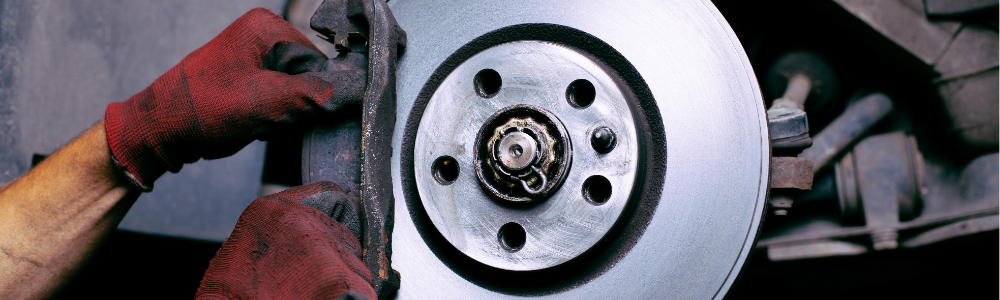
Regular inspection of your brake pads is vital. These pads are responsible for creating the friction necessary to stop your vehicle; over time, they can wear down significantly. If your pads show signs of wear, like a thin surface or cracking, you should replace them. Besides the visual inspection, consider the type of driving you do. Heavy city driving can cause pads to wear out faster, requiring more frequent checks.
Don’t just check the pads; pay attention to the hardware pieces as well. Components like shims or clips can also wear out, potentially leading to uneven wear or noise issues. Ultimately, taking a few moments for this inspection can make a big difference in both safety and performance. Fort Dodge Ford Lincoln Toyota’s service team is here to help with detailed inspections and recommendations based on your driving habits.
4. Listen for Unusual Noises
Your ears can be a valuable tool in brake maintenance. If you hear any unusual noises when applying the brakes, it might be a signal that something is wrong. High-pitched squeals could indicate that the brake pads are worn out and need to be replaced. On the other hand, grinding sounds typically mean that the pads have worn excessively, compromising your braking system further.
By staying alert to these auditory cues, you can catch issues early, potentially saving yourself from more severe and costly damage. Visiting Fort Dodge Ford Lincoln Toyota for a brake check will allow our specialists to evaluate the source of any unusual noises and suggest the best course of action.
5. Test Your Brakes Frequently
It's essential to become familiar with your brakes under various conditions. Take the time to test them regularly, especially after you’ve had any brake work done or after a long period without driving. Pay attention to the pedal feel; it should remain firm and responsive without requiring excessive pressure. If the pedal feels spongy or goes to the floor, it's a clear sign that there may be air in the brake lines or a fluid leak.
Additionally, test your brakes at different speeds and on various road conditions to gauge their performance. If you notice any differences or inconsistencies, it’s crucial to seek professional assistance. Regular testing helps ensure that your braking system always operates efficiently, enhancing your safety on the road. Our Fort Dodge Ford Lincoln Toyota team can help with any concerns during your service visits.
6. Maintain Proper Tire Pressure
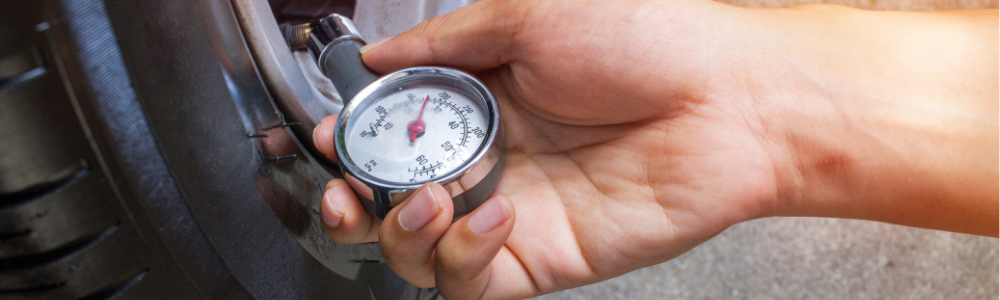
Proper tire pressure is not just essential for fuel efficiency; it also plays a critical role in ensuring effective braking. Under-inflated tires can lead to longer stopping distances, especially in emergency situations. Therefore, checking your tire pressure regularly is essential, ideally once a month. Maintaining the recommended tire pressure specified in your vehicle’s owner manual helps ensure that your brakes work effectively, allowing for maximum traction.
In addition to monthly checks, inspect the condition of your tires as well. Look for signs of uneven wear, which could signal alignment issues or overloading. Taking proactive steps to maintain both your tire pressure and condition not only contributes to effective braking but also promotes a smoother and safer driving experience overall. Fort Dodge Ford Lincoln Toyota offers tire maintenance and inspections to keep your vehicle running smoothly.
7. Visit a Brake Specialist for Inspections
While many aspects of brake maintenance can be done by the vehicle owner, visiting a brake specialist for regular inspections is highly advisable. Professionals have the expertise to diagnose issues that may not be visible during an ordinary check. They can thoroughly evaluate your brake system to catch potential problems before they escalate into costly repairs.
Consider scheduling an inspection at least once a year or more frequently depending on your driving habits. An expert can assess the condition of your brake pads and other critical components like rotors and brake fluid. Making this part of your regular vehicle maintenance routine is essential for enhancing both safety and performance. Fort Dodge Ford Lincoln Toyota’s expert technicians are available for comprehensive brake system evaluations.
8. Avoid Overloading Your Vehicle
Overloading your vehicle can put significant strain on your brakes, leading to premature wear and a higher chance of failure. Each vehicle has a specified weight limit that should not be exceeded under any circumstances. Check your owner’s manual for these limits and make it a habit to weigh the contents of your vehicle, especially for long trips.
If you frequently carry heavy loads or tow trailers, it may be worth investing in high-performance brake components designed for this purpose. Even relatively small adjustments, such as moving items from the trunk to minimize weight or acknowledging the need for heavier-duty brakes, can greatly enhance your braking efficiency. Keeping your vehicle within its weight limits is a simple yet effective way to ensure long-term brake health.
9. Choose Quality Brake Parts
When it comes to brake maintenance, the quality of parts is paramount. Opting for high-quality brake pads and rotors can significantly affect both the longevity and performance of your braking system. While cheap parts may seem appealing, they can compromise safety and lead to more frequent replacements.
Look for reputable manufacturers and read reviews to better understand the performance characteristics of your potential choices. Choosing quality parts not only ensures better durability but can also provide a smoother braking experience. At Fort Dodge Ford Lincoln Toyota, we use top-quality parts in all of our brake repairs and replacements, ensuring your vehicle’s safety.
10. Look for Corrosion and Rust
Regularly checking your brake components for signs of corrosion or rust is a crucial maintenance step that is often overlooked. Rust can severely impact brake performance, reducing the effectiveness of your pads and rotors. Make it a habit to inspect the brake calipers, rotors, and brake lines, particularly in regions where snow and salt are prevalent.
In addition to performing visual inspections, some preventive measures should be considered. Applying rust-resistant coatings and ensuring all parts are well-lubricated can extend the lifespan of your brake system. Addressing rust early on not only maintains your brakes' efficiency but also enhances overall vehicle safety. Our team at Fort Dodge Ford Lincoln Toyota can help with rust prevention and treatment.
11. Consider Regular Brake System Flushes
Like any other fluid, brake fluid can degrade over time. Contaminants can build up in the brake lines, adversely affecting performance. Regular brake fluid flushes can help keep your braking system clean and efficient. These should ideally occur every couple of years or per the manufacturer's recommendations.
A brake system flush involves removing and replacing the old fluid with fresh fluid, which helps maintain the hydraulic system's integrity. It can also serve to remove moisture that may have accumulated, which can be harmful in the long term. Fort Dodge Ford Lincoln Toyota offers brake fluid flushes to keep your braking system running smoothly.

12. Be Mindful of Driving Habits
Your driving habits can significantly affect brake wear and tear. Aggressive driving, such as sudden stops and rapid acceleration, puts much strain on your brakes. Practicing smoother driving techniques, such as gradual braking and anticipating stops, can help prolong the lifespan of your braking system.
Moreover, being mindful of driving conditions, such as wet or slippery roads, can significantly enhance your safety and your brakes' efficacy. Adapting your driving style to match road conditions shows respect for your vehicle and contributes to its overall longevity.
13. Check the Brake Light Functionality
Your vehicle's brake lights serve a critical safety function, alerting others when you’re slowing down. Regularly checking that all your brake lights are functioning correctly is a simple maintenance step that can prevent accidents. A burned-out bulb can prevent drivers behind you from knowing that you are stopping, increasing the risk of rear-end collisions.
Make it a practice to inspect your brake lights every few months or after any work done on your electrical system. If you notice any inconsistencies or the lights are malfunctioning, replace the bulbs immediately. Your safety—and the safety of others on the road—depends on such small, but vital details. Fort Dodge Ford Lincoln Toyota offers brake light inspections during routine service visits.
14. Store Your Vehicle Correctly
Proper storage of your vehicle has a surprising impact on brake maintenance. For those who don't drive their vehicle often, consider storing it in a cool, dry place to prevent rust and corrosion. Ensure all components are in good working order before storage; this includes checking the brake system for any existing issues.
If you plan to leave your vehicle unused for an extended period, it might be beneficial to engage the parking brake periodically to keep the brake pads and rotors properly adjusted. Doing this will help reduce the chances of the brakes becoming stuck or developing flat spots. Proper storage practices contribute to the overall longevity of your brakes.
15. Stay Updated on Brake Technology
Advancements in brake technology are continuously changing the automotive landscape. Staying informed about new developments—such as advanced braking systems and materials—can benefit both your awareness and your vehicle's safety. Many new cars have features like anti-lock braking systems (ABS) and electronic brake-force distribution, which can significantly enhance your braking experience.
Regularly educate yourself on these advancements so that when it comes time for upgrades or replacements, you make informed decisions based on the latest technology. Knowing what’s available on the market will empower you to ensure your vehicle is equipped with the best possible braking system.
Conclusion
Maintaining your brakes is essential for both safety and performance. Regularly checking for signs of wear, inspecting brake fluid, and scheduling professional brake inspections are key to ensuring your vehicle operates efficiently. By staying on top of these maintenance tasks and relying on the expertise of Fort Dodge Ford Lincoln Toyota, you can keep your braking system in top condition, ensuring a safe and smooth driving experience.