

Iowa Pothole Season: Signs of Bent Wheels, Bad Alignment, and When to Get It Checked
Late winter and early spring in Iowa can feel like a second driving season. One week brings a thaw, the next drops back below freezing. Add plows, patch jobs, and heavy traffic, and potholes can show up fast.
The bottom line is simple: a hard pothole hit can bend a wheel, damage a tire, or knock your alignment out of spec. Sometimes the car feels fine at first, then the symptoms creep in days later.
If you drive in Fort Dodge or anywhere nearby, it helps to know what to watch for. This guide covers clear warning signs, a quick check you can do yourself, and when it's smart to schedule service to protect your tires and your safety.
Why potholes in Iowa hit so hard, and what they can damage
Potholes grow quickly in Iowa because water gets into tiny cracks, freezes, and expands. When it warms up, the ice melts and leaves gaps. The next freeze pushes things apart again. That repeated freeze-thaw cycle breaks the pavement from the inside out.
Potholes also feel worse when they're filled with water. You can't judge depth, and you often hit them faster than you would a dry hole. The impact is like stepping off a curb you didn't see. Your tire drops, the wheel follows, and the suspension takes a sharp hit as everything rebounds.
A puddle can hide a pothole's depth, so the "small splash" you expected can turn into a hard wheel strike.
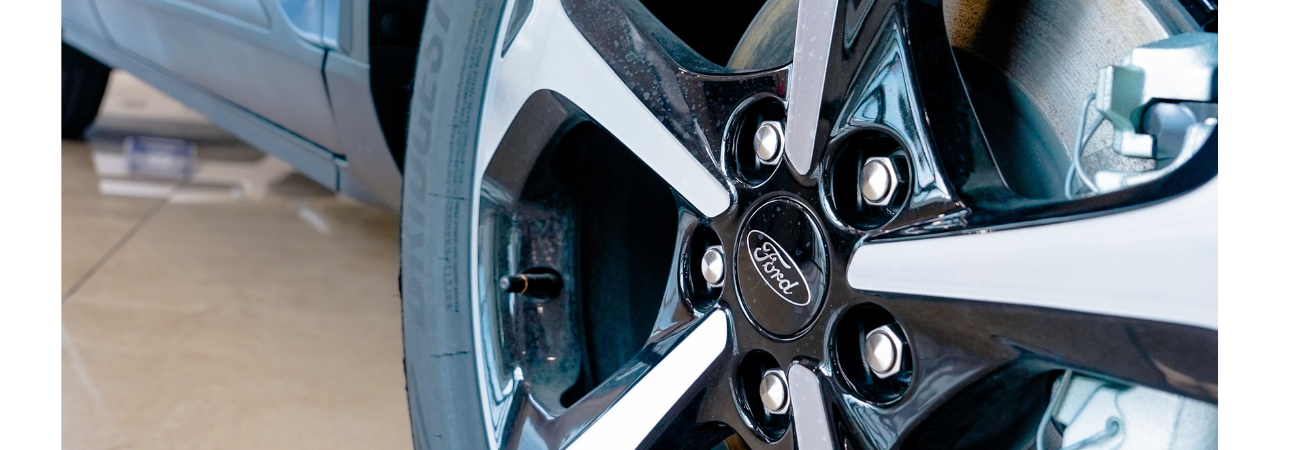
A tire sidewall is usually the first thing to suffer. Sidewalls aren't thick like tread. A sharp edge can pinch the rubber and break internal cords. Next comes the wheel. The lip can bend, and the barrel (the round part behind the spokes) can go slightly out of round.
After that, the hit travels into suspension and steering parts. Common trouble spots include wheel bearings, control arms, tie rods, and struts. None of these parts likes sudden, uneven force. Even if nothing snaps, things can shift just enough to cause tire wear or a steering pull.
Right after a pothole hit, do a quick safety-focused reset:
Slow down smoothly and avoid sudden moves.
Check your tire pressure as soon as you can safely stop.
Look for a bulge, cut, or fluid drip near the wheel area.
Listen for new noises like clicking, rubbing, or grinding.
The quick curbside check you can do in under five minutes
If you can pull into a parking lot or your driveway, a fast look can tell you a lot. Keep it simple and stay safe.
Inspect the tire sidewall for bubbles, cuts, or a fresh scuff ring.
Look at the wheel face and rim edge for a new flat spot or bend.
Check the ground under that corner for oil, coolant, or clear fluid.
Watch the tire at slow speed as you roll forward a few feet. A wobble matters.
On the next straight stretch, note any pull, shake, or thump you didn't have before.
Don't crawl under the vehicle on the roadside, even "just for a second." A soft shoulder and passing traffic make it risky. Also, keep in mind that damage can show up later. A tire might hold air for days, then start leaking once the cords separate more.
Small hit, big problem, how hidden damage happens
Not every pothole creates an instant flat. Sometimes the wheel bends only a few millimeters. From the outside it looks normal, but at speed you feel a tremor in the steering wheel. Other times the alignment shifts slightly, and your tires start wearing unevenly.
Repeated smaller hits add up, too. A daily commute, school drop-off, and a couple of rough ramps can stack stress on the same parts. By the time you notice it, the tire may already have an uneven wear pattern that won't "wear back" evenly.
Signs you might have a bent wheel or tire damage after a pothole
A bent wheel and a damaged tire can feel similar from the driver's seat. That's why symptoms matter. Pay attention to changes that start right after a hit, even if they seem mild at first.
A few common signs show up quickly:
A new vibration at certain speeds
A repeating thump or hop
A tire that won't hold pressure like it used to
A steering wheel that no longer feels steady
Driving on a bent wheel or a weakened tire can cause faster tread wear and less grip. It can also make braking feel less smooth, especially on wet roads. In the worst case, a damaged sidewall can fail, which raises blowout risk. That's why one pothole service visit can be cheaper than replacing a tire that got shredded later.
Vibration, thumping, or a steering wheel shake that starts at certain speeds
Speed-related vibration often shows up between about 45 and 75 mph. It may feel fine around town, then get annoying on the highway. That pattern is common with a wheel that's no longer perfectly round, a tire bubble, or a balance issue caused by damage.
Location helps narrow it down. If the steering wheel shakes, the problem often sits up front. If you feel it more through the seat or floor, the issue may be in a rear wheel or tire.
One important note: balancing alone won't fix a bent wheel. A shop might try it first, but if the rim is out of round, the vibration usually comes back.
Slow air leaks, tire pressure warning lights, and sidewall bubbles
Potholes can pinch the tire against the rim. That can damage the bead area (where the tire seals) or split cords in the sidewall. As a result, you might see the tire pressure light come on and off, or you might need to add air every few days.
Check pressure when the tires are cold, then check again over the next week. Cold mornings can drop pressure naturally, so look for a pattern that's worse on one tire than the others.
If you see a sidewall bubble, treat it as urgent. A bubble means the structure is compromised, and the tire needs replacement. Don't try to "drive it out" or hope it goes away.
Bad alignment symptoms, when to get it checked, and what a shop will do
Alignment problems can start with one sharp hit. Even a small change in angles can scrub your tires every mile. The tricky part is that alignment issues don't always feel dramatic at first.
Watch for these common signs:
The vehicle pulls left or right on a flat road
The steering wheel sits off-center when driving straight
Tires show uneven wear, such as inside edge wear, outside edge wear, or a feathered feel
You hear light squealing in turns, even at low speed
The car feels less stable in wind or on wet pavement
Timing matters. Get checked immediately after a hard hit, especially if you felt the wheel snap or the car dart. If symptoms are mild, schedule within a week. Also book an alignment anytime you notice uneven tire wear, because waiting rarely saves money.
At the shop, a good process usually includes a road test, tire and wheel inspection, and a steering and suspension check. Then technicians measure alignment angles and adjust them back to spec. If a tie rod, control arm, or wheel is bent, they'll address that first, because alignment won't "hold" with damaged parts.
For drivers who want a straightforward place to start, scheduling a wheel alignment Fort Dodge IA appointment is a practical move, especially after pothole season ramps up.
The red flags that mean stop driving and get help now
Rapid air loss or a tire that won't stay inflated
Visible wheel bend or a tire bubble
Tire cord showing through the rubber
Loud grinding or repeated clunking after the hit
Steering feels loose or the vehicle suddenly pulls hard
Shaking that worsens quickly as speed increases
ABS or stability lights that come on right after impact
If any of these show up, park it and call for help. A short drive can turn a repair into a bigger bill.
How to avoid repeat damage during Iowa pothole season
You can't avoid every pothole, but you can lower the odds of damage. Start with tire pressure. Underinflated tires pinch easier, while overinflated tires can hit harder. Next, slow down on rough stretches, and leave more space so you can spot hazards sooner.
Also avoid puddles when possible, especially near storm drains, bridge seams, and patched areas. Those spots often hide sharp edges.
Regular tire maintenance helps, too. Rotating on schedule can even out wear and make problems easier to spot early. If you're due, tire rotation service at Fort Dodge Ford pairs well with a quick inspection during pothole season. In short, a brief check now often costs less than a set of tires later.
Conclusion
Iowa potholes don't just ruin a quiet drive, they can bend wheels, damage tires, and throw off alignment. Watch for vibration, a new pull, an off-center steering wheel, uneven wear, and slow leaks after any hard hit. If something feels different, don't wait for it to get loud or dangerous.
A simple inspection and alignment check can protect your tires and restore a steady ride. For Fort Dodge and surrounding Iowa drivers, the next step is easy: schedule service with Fort Dodge Ford and drive into spring with more peace of mind.