
Used Truck Checks for Iowa Work, F-150, F-250, & Tacoma
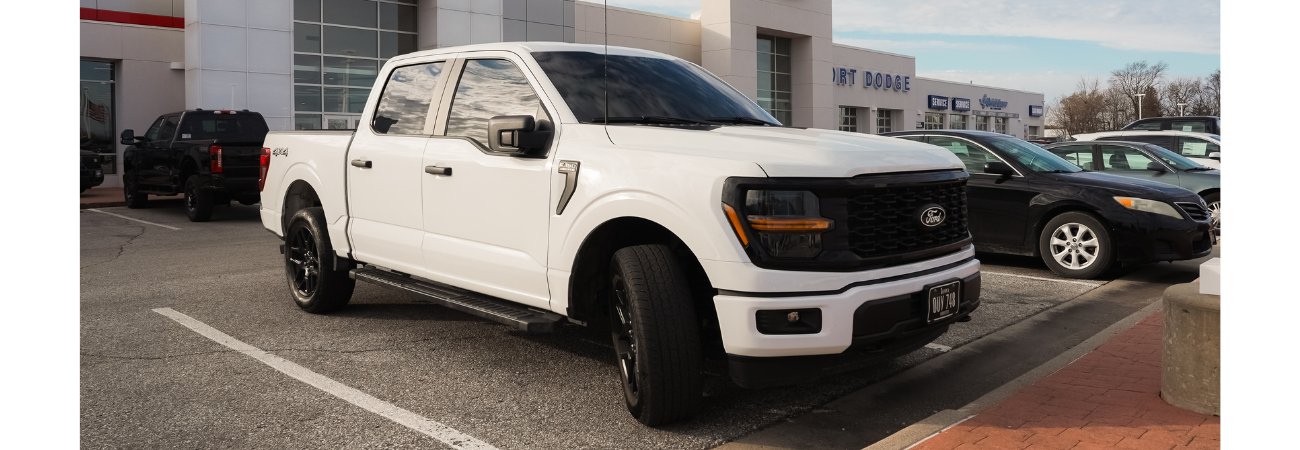
A used truck can be a strong work partner, or it can turn into a stack of repair bills. In Iowa, that choice often comes down to what happened before you owned it.
Snow, salt, gravel roads, trailers, and farm chores all leave marks. An F-150, F-250, or Tacoma can all make sense, but only if the truck fits your real workload. If you want to compare local options while you read, you can browse used trucks in Fort Dodge.
Start with the hard-use checks that matter most in Iowa
Before you focus on badges, trims, or paint color, look for signs of hard labor. A truck that spent its life on clean pavement will age differently than one that hauled seed, pulled a skid loader, or pushed snow all winter. Iowa roads also add another layer because salt and rough surfaces speed up wear.
Look under the truck for rust, leaks, and frame damage
Start low and slow. Check the frame rails, cab corners, rocker panels, bed supports, brake lines, fuel lines, leaf spring mounts, and the hitch area. A flashlight helps because the worst spots often hide behind dirt and shadows.
Some surface rust is common on an older truck. What you don't want is heavy scaling, flaking metal, or fresh undercoating sprayed over rough corrosion. That can hide bigger trouble.
Also look for bent crossmembers, crushed pinch welds, and hitch mounts that look stretched or cracked. Those signs can point to overloads or a hard hit. Meanwhile, wet oil, coolant, or transmission fluid on the frame or skid plates should slow the deal down.
Fresh black undercoating on an older Iowa truck should make you look closer, not relax.
Check tires, suspension, brakes, and 4x4 parts for work wear
Next, study the tires. Uneven wear can point to bad alignment, worn ball joints, loose steering parts, or tired shocks. Heavy loads and rough Iowa roads often wear these parts faster than mileage alone suggests.
On the drive, listen for clunks over bumps, steering play, brake pulsation, or a humming wheel bearing. Then engage 4x4 and make sure it shifts in and out cleanly. If the transfer case hesitates or makes noise, budget for more inspection.
A short city loop isn't enough. Drive at low speed, then at highway speed, because some problems only show up once the truck settles under load.
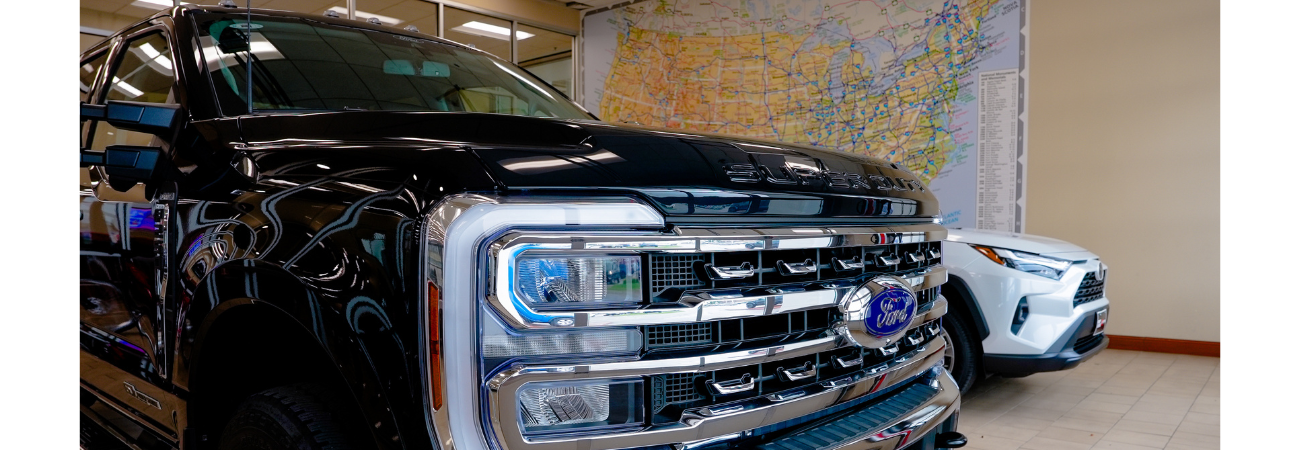
What to inspect on a used F-150, F-250, and Tacoma
Each of these trucks can be a smart buy. Still, they shine in different jobs, and each has its own weak spots. If you want to compare trims, cabs, and mileage side by side, it also helps to scan available pre-owned vehicles from a local dealer.
F-150 checks, engine history, towing signs, and aluminum body condition
The F-150 is often the best middle ground. It handles daily driving well, yet it can still tow, haul tools, and deal with bad weather. For many Iowa buyers, it's the easiest fit.
Ask for service history first. Oil changes matter on any engine, and turbo models need proof of steady maintenance even more. During the drive, pay close attention to transmission shift quality. Harsh shifts, slipping, or delayed engagement can turn a fair deal into an expensive one.
Then check the rear axle, hitch receiver, and bed floor for towing wear. Scraped safety chain loops, rust around trailer plugs, and sagging rear suspension can show a hard towing life.
The aluminum body is a plus because it resists rust better than steel. Still, don't assume it's damage-free. Look for panel gaps, paint mismatch, ripples, and poor repair work around the bed sides and cab corners.
F-250 checks, diesel or gas concerns, front end wear, and payload stress
The F-250 is built for bigger work. If you pull large trailers, haul heavy payloads, or spend long days on job sites, the extra capacity can make life easier. On the other hand, skipped maintenance hurts more here.
Start with signs of heavy hauling. Look for a gooseneck ball in the bed, fifth-wheel rail holes, flattened rear springs, and brake wear that seems early for the miles. Those clues don't mean "don't buy," but they do mean "inspect harder."
Front end wear is common on hard-worked heavy-duty trucks. Watch for wandering steering, loose feel, uneven tire wear, and suspension noise over broken pavement. Brakes should feel firm and straight, not shaky or soft.
If it's a diesel, keep the check simple. It should start cleanly, idle smoothly, and avoid excessive smoke. Service records matter a lot because diesel repairs can cost more if the last owner cut corners.
A clean cab and shiny paint don't erase years of heavy trailer duty.
Tacoma checks, frame condition, ride quality, and whether it fits your workload
The Tacoma has a strong reputation for long life, and that's a real plus. It also tends to be easier to park, lighter on fuel, and simpler to live with every day. For lighter jobsite use, smaller trailers, and mixed commuting, it can be a smart choice.
Still, frame condition comes first. Get under it and inspect carefully, especially if the truck has spent winters in salt. Then listen for driveline clunks, suspension noise, or a rough ride that suggests worn parts.
After that, be honest about the fit. A Tacoma may be perfect for tools, weekend projects, and moderate towing. However, if your week includes heavy payloads or large livestock, equipment, or enclosed trailers, a bigger truck may suit the job better.
Before you buy, match the truck to the job and review the paperwork
Sticker price matters, but ownership cost matters more. A cheaper truck can cost more later if it burns fuel fast, needs big tires, or comes with hidden wear from years of hard use.
Pick the right size truck for your trailer, tools, and daily miles
Think about your real week, not your biggest once-a-year task. The F-150 suits broad everyday use, mixed work, and regular driving. The F-250 makes more sense for heavier towing and payloads. The Tacoma fits lighter work and simpler ownership.
Also check the door-jamb labels for payload and towing information. Don't rely on guesses from a seller, because cab style, axle ratio, engine, and options all change the numbers.
If you commute often, fuel, ride quality, and parking size matter too. If you tow often, stability and brake feel matter more.
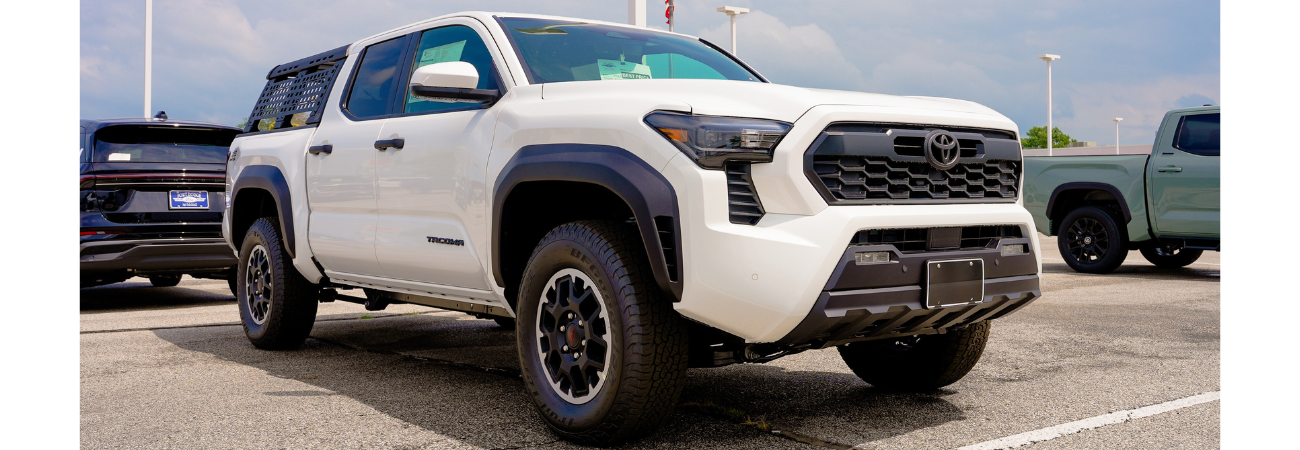
Review the VIN report, service records, and pre-purchase inspection before signing
Paperwork tells the story the paint can hide. Verify title status, accident history, open recalls, maintenance receipts, and how many keys come with the truck. Two keys are better, and replacing modern keys can be pricey.
Then pay for an independent pre-purchase inspection. That step is cheap compared with a transmission, frame repair, or front-end rebuild. If you're moving up from your current vehicle, you can also find your vehicle's trade value before making the switch.
The best used truck for Iowa work isn't always the biggest one. It's the one that matches your job, has been cared for, and shows honest wear instead of hidden problems.
Check rust, suspension, towing wear, and service history before you sign. That extra hour can save you thousands later.
If you're comparing F-150, F-250, and Tacoma options around Fort Dodge, Fort Dodge Ford is a sensible place to keep the search grounded in what's available locally.