
New Driver Checklist for Parents: Safety Features That Matter
Handing over the keys to a new driver can feel like handing over a piece of your peace of mind. Crashes, phone distractions, bad weather, and a teen’s growing independence all deserve serious thought.
Safe habits matter more than any badge on the grille for young drivers. Still, the right vehicle can provide valuable protection when attention slips or conditions change quickly. This checklist helps parents evaluate safety equipment for new drivers while comparing Ford, Lincoln, and Toyota vehicles.
Key Takeaways
Compare the exact model year and trim. Review crash-test ratings, visibility, braking, tire condition, and standard or available safety equipment.
Separate crash protection from driver-assistance technology. Automatic emergency braking, forward collision warning, blind-spot monitoring, rear cross-traffic alert, and lane support can help teen drivers, but technology doesn't replace attention.
Match the vehicle to your teen’s driving needs, including road conditions, vehicle size, seating position, turning radius, repair costs, and insurance rates.
Budget for insurance premiums, sensor and camera calibration, windshield replacement, and other safety-equipment repairs.
Inspect used vehicles carefully. Check recalls by VIN, review maintenance records, and schedule a professional pre-purchase inspection.
Set firm family rules and practice braking, parking, lane changes, highway merging, nighttime driving, and responses to safety alerts.
New Driver Checklist for Parents Before Buying a Car
For new drivers, verify the exact model year and trim first. Then check crash-test results from the National Highway Traffic Safety Administration and the Insurance Institute for Highway Safety. Evaluate outward visibility, braking performance, controls, and tire condition. Confirm which safety equipment is standard or optional. A vehicle should provide a clear view, predictable braking, easy-to-reach controls, and plenty of tire tread.
Don't let appearance or horsepower lead the decision. A manageable vehicle helps a teen judge parking spaces, lane position, and following distance. An extremely small vehicle may sacrifice useful crash protection and cargo capacity.
Rear cameras, blind-spot alerts, and automatic emergency braking may vary by year and trim. For a used vehicle, request maintenance records and arrange a professional pre-purchase inspection.
Get insurance quotes before signing. Rates can differ sharply between vehicles, even when purchase prices look similar. Finally, take a test drive with your teen in the driver's seat.
Match the Vehicle to Your Teen's Real Driving Needs
Consider where your teen will drive most often. A daily school route in heavy traffic calls for easy low-speed control. Rural roads may require confident handling at higher speeds. Snow, nighttime driving, and highway merging can create different challenges along the same route.
Vehicle size and turning radius should fit the roads, parking areas, and driveway. Check whether your teen can see over the dashboard and adjust every mirror clearly. The seating position should feel natural, and the pedals should be easy to reach. Fuel use, repair costs, and cargo space should also match the vehicle's daily role.
Set Safety Rules That Technology Cannot Replace
Driver-assistance systems can supplement supervised practice and an alert driver, but they don't replace attention. Automatic emergency braking and forward collision warning may help identify or respond to some hazards. Blind-spot monitoring, rear cross-traffic alert, and lane support can assist with specific driving tasks. None of these systems prevents every crash.
Set clear family rules for seat belts, phones, passengers, speeding, alcohol or drugs, late-night trips, and bad-weather driving.
Practice firm braking, lane changes, parallel parking, highway merges, and responses to dashboard warning lights. Parents should also review local graduated driver licensing rules, which may limit nighttime driving or teenage passengers. A warning light or safety alert is a cue to check the situation, not permission to keep driving without attention.
Best Safety Features in Ford, Lincoln, and Toyota
Ford Co-Pilot360, Lincoln Co-Pilot360, and Toyota Safety Sense are feature families, not identical equipment packages. Availability changes by model year, trim, and package. A feature may be standard, optional, or unavailable. Verify the exact configuration on the window sticker, then review the owner’s manual together.
Ford and Lincoln Driver-Assist Systems to Look For
Ford Co-Pilot360 and Lincoln Co-Pilot360 may include forward collision warning, automatic emergency braking, blind-spot monitoring, rear cross-traffic alert, lane support, and a rearview camera. The exact features depend on the model year, trim, and package.
Forward collision warning alerts the driver to a possible frontal crash. Automatic emergency braking may apply the brakes if a collision appears imminent. Neither system eliminates the need for attentive driving or immediate braking.
Lane-keeping assistance can help guide a vehicle back toward its lane after unintended drift. Blind-spot monitoring and rear cross-traffic alerts provide warnings, but they don't detect every vehicle, cyclist, or motorcycle. Available adaptive cruise control adjusts speed for traffic ahead, but the driver must remain ready to brake.
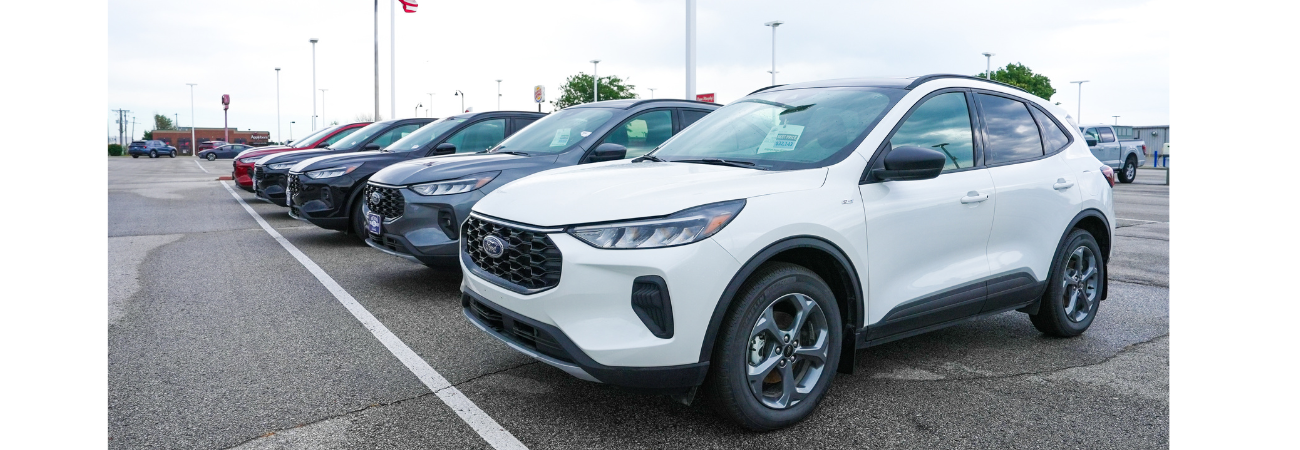
Some Lincoln models may offer head-up displays or parking assistance. Parking sensors and cameras can help with tight spaces, but they may misread objects or perform poorly in bad weather. The available Ford Escape safety features illustrate the types of alerts and camera systems worth comparing on a compact SUV.
Toyota Safety Features That Help Teen Drivers
Toyota Safety Sense is Toyota's family of driver-assistance features. Its capabilities vary by version, model year, trim, and package. Some systems are standard, while others may be optional or unavailable. Check the window sticker and owner's manual before relying on the equipment.
Depending on the vehicle, Toyota Safety Sense may include a pre-collision system with automatic emergency braking, pedestrian detection, lane-departure alert, lane-tracing assistance, adaptive cruise control, and automatic high beams. A pre-collision alert warns about a potential hazard, while automatic emergency braking may help reduce impact severity.
Blind-spot monitoring and rear cross-traffic alert may be available separately. These systems can miss objects in certain conditions, including poor weather, blocked sensors, or fast-moving traffic. Test each feature during the drive, and make sure your teen knows when to steer or brake.
Which Features Matter Most for a Teen Driver?
For a teen driver, forward collision warning can address delayed reactions and following-distance mistakes. Automatic emergency braking may provide additional support when a frontal collision is imminent. Neither feature replaces direct observation or active braking.
Blind-spot monitoring can support safer lane changes, while rear cross-traffic alerts help when backing between larger vehicles. Lane support may help a driver who begins drifting, especially on longer roads.
Adaptive cruise control is better suited to drivers who understand its limits and remain ready to brake. Cameras, sensors, and alerts can assist with awareness, but they don't replace careful scanning. Confirm each system's operation for the specific model year and trim.
How to Choose Between Ford, Lincoln, and Toyota
There is no single best choice for every family. When choosing a vehicle for a teen, use the checklist to compare crash protection, safety equipment, reliability history, visibility, vehicle size, braking feel, repair access, insurance costs, and total ownership expenses.
For new drivers, consider manageable models such as the Ford Escape, Lincoln Corsair, Toyota Corolla Cross, or Toyota Corolla. The Escape offers a practical compact SUV size, while the Corsair is Lincoln's smaller SUV option. The Corolla Cross provides a higher seating position, and the Corolla offers a familiar, easy-to-place sedan design. Compare visibility, braking feel, standard and optional safety equipment, crash-test results, insurance rates, and repair costs for the exact model year and trim.
Availability and safety ratings change over time. Verify current NHTSA and IIHS data, check recalls by VIN, and review the actual window sticker before buying. Premium-brand repairs and calibration may also cost more than repairs for mainstream alternatives.
A well-maintained used vehicle with strong safety equipment can be a smarter purchase than a newer model with fewer protections. Before buying, check open recalls by VIN, review maintenance records, and request a professional inspection. Compare insurance costs and expected repair expenses as part of the total budget.
Insurance premiums depend on your teen's age and driving record, location, vehicle value, repair history, theft risk, and insurer-specific discounts. They don't depend only on the presence of safety technology.
Radar sensors, cameras, parking sensors, advanced windshields, and lane-support hardware may need specialized diagnosis or calibration after a collision. Those repairs can increase ownership costs, especially on premium-brand vehicles. Get insurance quotes for the exact VIN, and ask a repair shop or dealer about calibration costs before buying.
Check the Exact Model, Trim, and Safety Ratings
Base trims, option packages, and model years can have meaningful differences. Review current NHTSA and IIHS ratings for the exact vehicle, model year, and trim. Don't rely on ratings for a related model.
During the test drive, confirm that cameras, sensors, warning sounds, and dashboard alerts work properly. Note the vehicle's visibility, braking response, steering feel, and ease of parking. A clean vehicle-history report helps, but regular maintenance remains essential for a used car.
Take a Family Test Drive and Practice Together
Have your teen adjust the seat and mirrors, then try the steering, brakes, camera views, warning sounds, and dashboard controls. Test parking and tight turns on residential streets. If possible, also drive on a highway to assess merging and lane changes.
After purchase, build skills gradually. Add more distance, traffic, passengers, and nighttime driving only as your teen gains confidence and consistency.
Frequently Asked Questions
Which safety features are most important for a new driver?
Automatic emergency braking and forward collision warning can help reduce common following-distance mistakes. Blind-spot monitoring and rear cross-traffic alert can also support safer lane changes and backing.
Are Ford, Lincoln, and Toyota equally safe for teen drivers?
All three brands offer useful safety systems, but equipment varies by model year and trim. Review the specific-model section, then compare the vehicle’s NHTSA and IIHS ratings, visibility, condition, and ownership costs.
How much do safety features cost to repair or insure for new drivers?
Insurance costs depend on the teen’s profile, location, vehicle, repairability, and available discounts. Cameras, radar sensors, advanced windshields, and other driver-assistance components may require expensive replacement or calibration after a crash.
Routine maintenance also affects ownership costs. Compare quotes for the exact vehicle identification number and ask about repair and calibration costs before buying.
Can driver-assistance technology replace driver attention?
No. Cameras and sensors have limits in poor weather, low visibility, and changing traffic. The driver must stay alert and ready to steer or brake.
What should parents check when buying a used car?
Request maintenance records, check open recalls by VIN, and review the vehicle history. Arrange a professional inspection and confirm that the cameras, sensors, warning sounds, brakes, tires, and dashboard alerts work properly.
How can parents help a teen build safer driving habits?
Practice firm braking, parking, lane changes, highway merging, and responding to warning lights together. Add distance, traffic, passengers, and nighttime driving gradually as the teen becomes consistent and confident.
A Safer Start Behind the Wheel
The strongest choice combines crash protection, useful technology, manageable handling, reasonable ownership costs, and consistent family rules. Ford, Lincoln, and Toyota offer helpful systems, but every vehicle has limits to understand.
Compare exact trims and current safety ratings, inspect the vehicle, and price insurance and safety-system calibration. Take a careful test drive, then keep practicing together. Safe driving develops through repeated good decisions and habits.